

Temperature Mapping Services in Ireland
Temperature variations within a warehouse, cold room, fridge or freezer can affect the suitability of storage conditions. Without a clear understanding of how temperature is distributed throughout a space, it can be difficult to identify variations, assess storage conditions and determine where closer monitoring may be needed.
BONNER provides temperature mapping services to help organisations understand temperature distribution across their storage environments. From agreeing mapping objectives and planning measurement locations to analysing recorded data and documenting findings, we work with customers to assess their facilities and support informed decisions about temperature control.
Our experience includes warehouses, cold rooms, fridges and freezers, with services planned around each facility’s requirements and operational needs.
Temperature mapping and environment monitoring are critical procedures in highly regulated industries where the product is subject to strict storage controls. Our service enables you to detect environmental fluctuations and maintain stable conditions that protect the integrity of your product. BONNER supports customers from protocol planning through mapping, data analysis and reporting.
Importance of Temperature Mapping
Companies in the Pharmaceutical, Food & Beverage and Healthcare sectors must adhere to precise standards of temperature and environment monitoring when storing some of their products. This obligation is carried right through the cold chain to the 3PL provider and on to the retailer or pharmacist.
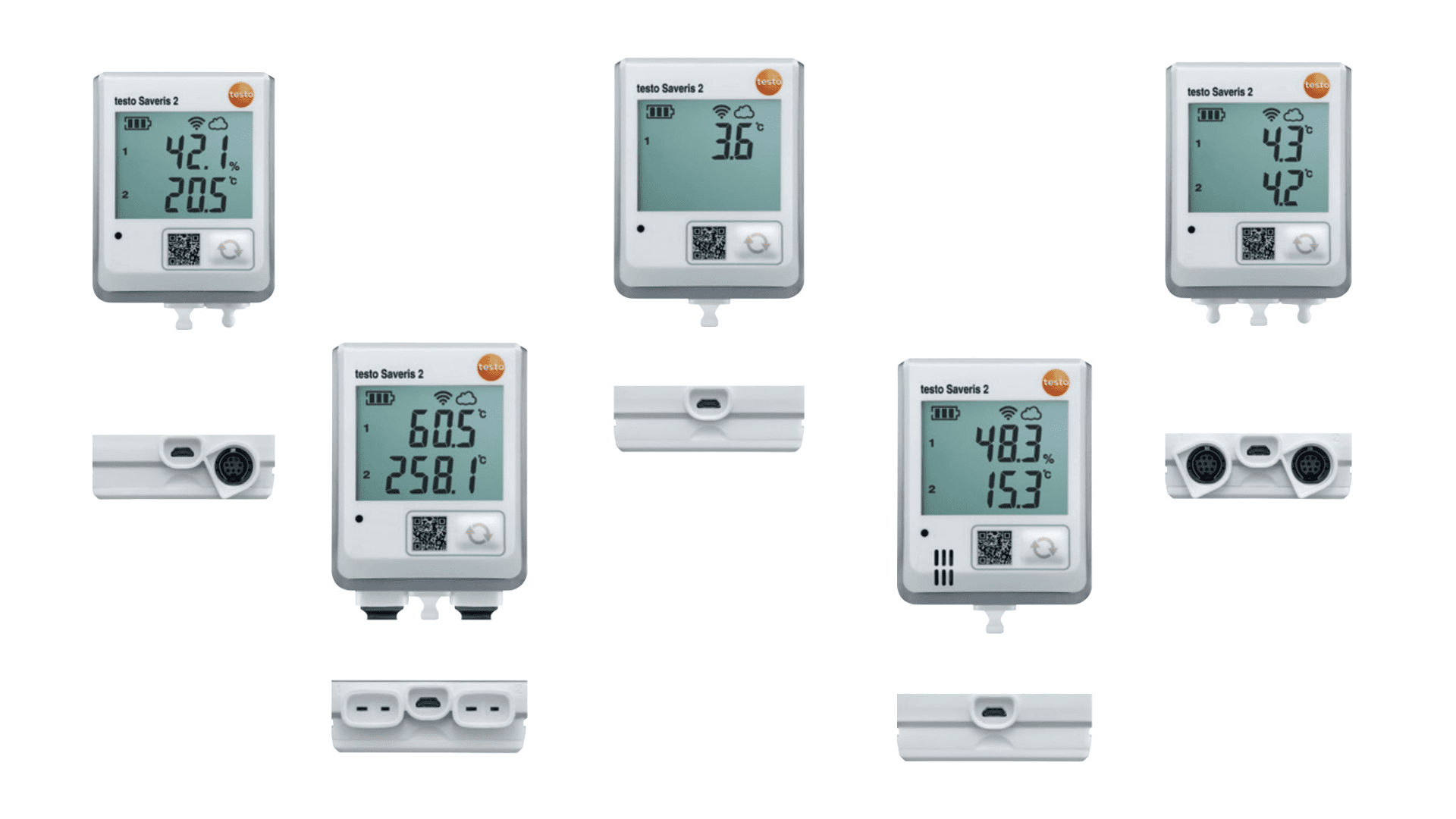

Our Service
- Agree mapping objectives, protocol and acceptance criteria.
- Install data loggers at agreed locations.
- Collect and analyse temperature data.
- Identify temperature variations and potential hot and cold spots.
- Provide documented results to support storage assessments and follow-up actions.

Next Steps
Once our proposed mapping protocol is approved and tolerances are confirmed, we install a series of probes in your storage facility, cold room or fridge. These take a detailed reading of the entire room every 2 to 5 minutes. After an adequate period of time has elapsed, we remove the probes and analyse the data they have collected. What makes BONNER’s mapping service unique is our ability to remotely monitor your probes, ensuring continuous functionality and detecting any unusual alarming that could compromise the process.
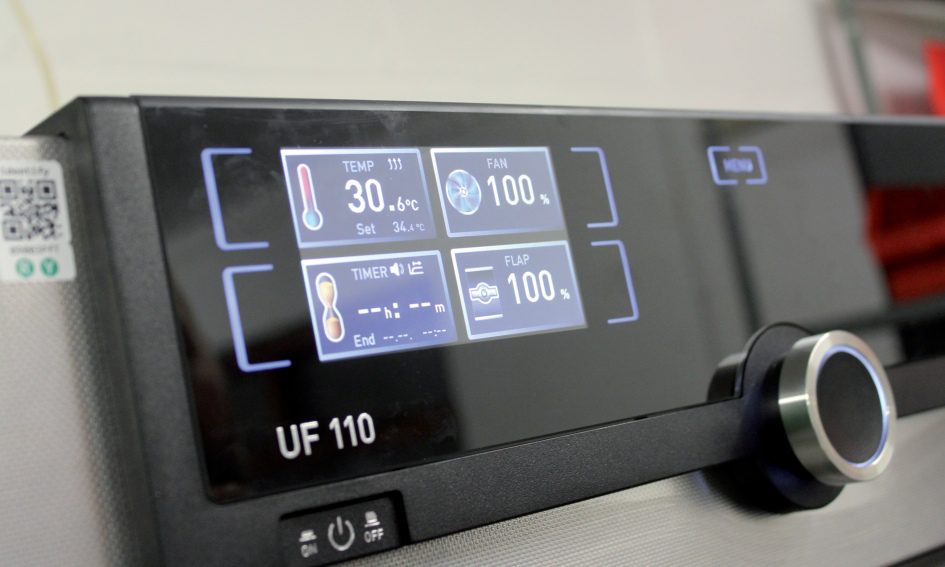
How Our Temperature Mapping Service Works
Every temperature mapping exercise should reflect the facility being assessed, its operating conditions and the requirements agreed with the customer.
1. Understand the facility and requirementsWe work with the customer to establish the mapping objectives, understand the storage environment and agree the protocol, measurement locations and acceptance criteria.
2. Plan measurement locationsData loggers are positioned at agreed locations throughout the area being assessed. The measurement plan should take account of the layout and relevant operating conditions so that the recorded data provides a useful picture of temperature distribution.
3. Record temperature dataThe loggers record temperature readings over the agreed mapping period. The duration, measurement frequency and conditions for the exercise are established as part of the agreed approach.
4. Analyse the resultsThe recorded data is reviewed to identify temperature variations and potential hot and cold spots. The findings help build an understanding of how temperature is distributed throughout the environment being assessed.
5. Document findings and next stepsBONNER provides documented results to support the customer’s assessment of the storage environment. Where the findings indicate areas requiring further attention, they can inform discussions about storage arrangements, monitoring locations or other appropriate follow-up actions.The scope of each exercise, including the protocol, duration, reporting and any follow-up work, should be agreed in advance to reflect the facility and applicable requirements.
Temperature Mapping Across Different Storage Environments
- Warehouses and distribution facilities: Understanding temperature distribution across storage areas, including larger spaces and warehouse extensions.
- Cold rooms: Assessing temperature variation across rooms of different sizes and configurations.
- Fridges and freezers: Mapping controlled storage environments, including sub-zero applications.
- Quality sampling and laboratory storage: Assessing temperature distribution in fridges and other relevant storage areas.
- Multiple-site environments: Coordinating mapping activities across different storage areas and locations according to agreed requirements.
From Temperature Mapping to Ongoing Monitoring
Temperature mapping provides a picture of how temperature is distributed throughout a defined environment during the mapping exercise. Ongoing temperature monitoring serves a different purpose: it provides continued visibility of conditions during day-to-day operations.
The findings from a mapping exercise can help inform discussions about where monitoring points should be located and whether further investigation or changes to the monitoring arrangement may be appropriate.
BONNER also supports customers with temperature monitoring solutions, helping them maintain visibility of temperature conditions and access recorded data. Depending on the application and system configuration, monitoring solutions may support alerts when readings move outside agreed limits.
By considering mapping and monitoring together, organisations can better understand their storage environments and plan appropriate ongoing oversight.
Related Case Studies
AbbVie – Temperature Mapping Across Multiple Storage EnvironmentsBONNER’s work with AbbVie expanded from warehouse mapping to include cold rooms, freezers and quality sampling fridges. The project demonstrates experience coordinating mapping activities across different environments and working with the customer’s Quality team.Evidence: mapping across multiple storage environments and an agreed annual schedule.Read the AbbVie case study
KOG Logistics – Temperature Mapping and Warehouse MonitoringBONNER supported the expansion of temperature monitoring into an additional warehouse, including logger and probe installation, system configuration, reporting and customer handover. The case study also explains the role of mapping in reviewing sensor placement.Evidence: warehouse expansion, monitoring infrastructure and ongoing support.Read the KOG Logistics case study
The Natural Medicine Company – Understanding Warehouse Temperature DistributionBONNER carried out warehouse temperature mapping using 60 data-logging points positioned at different heights and locations. The project considered factors including seasonal conditions and door openings when assessing temperature distribution.Evidence: a practical example of mapping a warehouse environment with multiple measurement points.Read The Natural Medicine Company case study
Temperature Mapping, Validation and Ongoing Monitoring
Temperature mapping, validation and ongoing environmental monitoring all play important roles in maintaining suitable temperature conditions, particularly in pharmaceutical, life sciences, healthcare and controlled storage environments. However, each serves a different purpose.
Temperature mapping measures temperature distribution throughout a defined space, such as a warehouse, cold room or storage area. Using strategically positioned data loggers, mapping identifies temperature variations and potential hot and cold spots, helping determine whether the environment can maintain the required conditions.
Validation provides documented evidence that equipment, systems or processes meet predefined requirements and perform as intended. Temperature mapping may form part of a wider qualification or validation programme, depending on the application and applicable requirements.
Ongoing environmental monitoring provides continued visibility of temperature conditions during day-to-day operation. Monitoring systems can help teams identify excursions, review trends and respond when conditions move outside established limits.
BONNER supports customers with temperature mapping and environmental monitoring solutions tailored to their facilities and operational requirements. By understanding how these activities work together, organisations can build a clearer picture of environmental performance, support appropriate documentation and make informed decisions about maintaining controlled conditions.
The appropriate approach depends on the facility, the products being stored, applicable regulatory requirements and the customer’s quality procedures.
Discuss Your Temperature Mapping RequirementsWhether you need to map a warehouse, assess a cold room or freezer, or review temperature conditions across multiple storage areas, BONNER can discuss your requirements and help establish an appropriate approach.We can also discuss how temperature mapping relates to your ongoing monitoring arrangements and wider instrumentation requirements.Contact BONNER to discuss temperature mapping for your facility.
