Client
Sector
BONNER Provided

Replacing a Legacy Control Panel: Why Good Design Matters More Than the Panel Itself
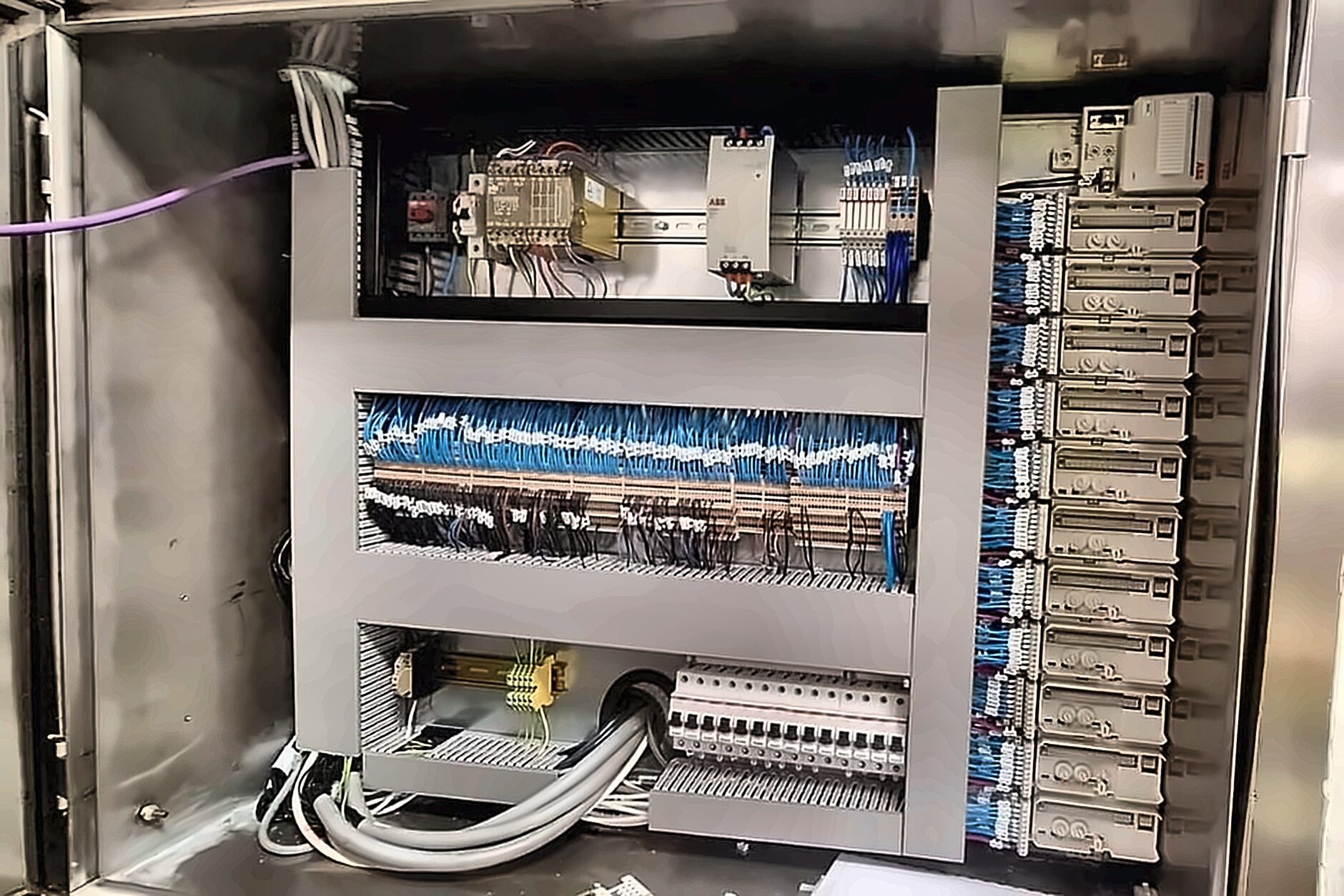
Replacing a control panel is an opportunity to improve reliability, safety and maintainability, not simply replace ageing hardware.
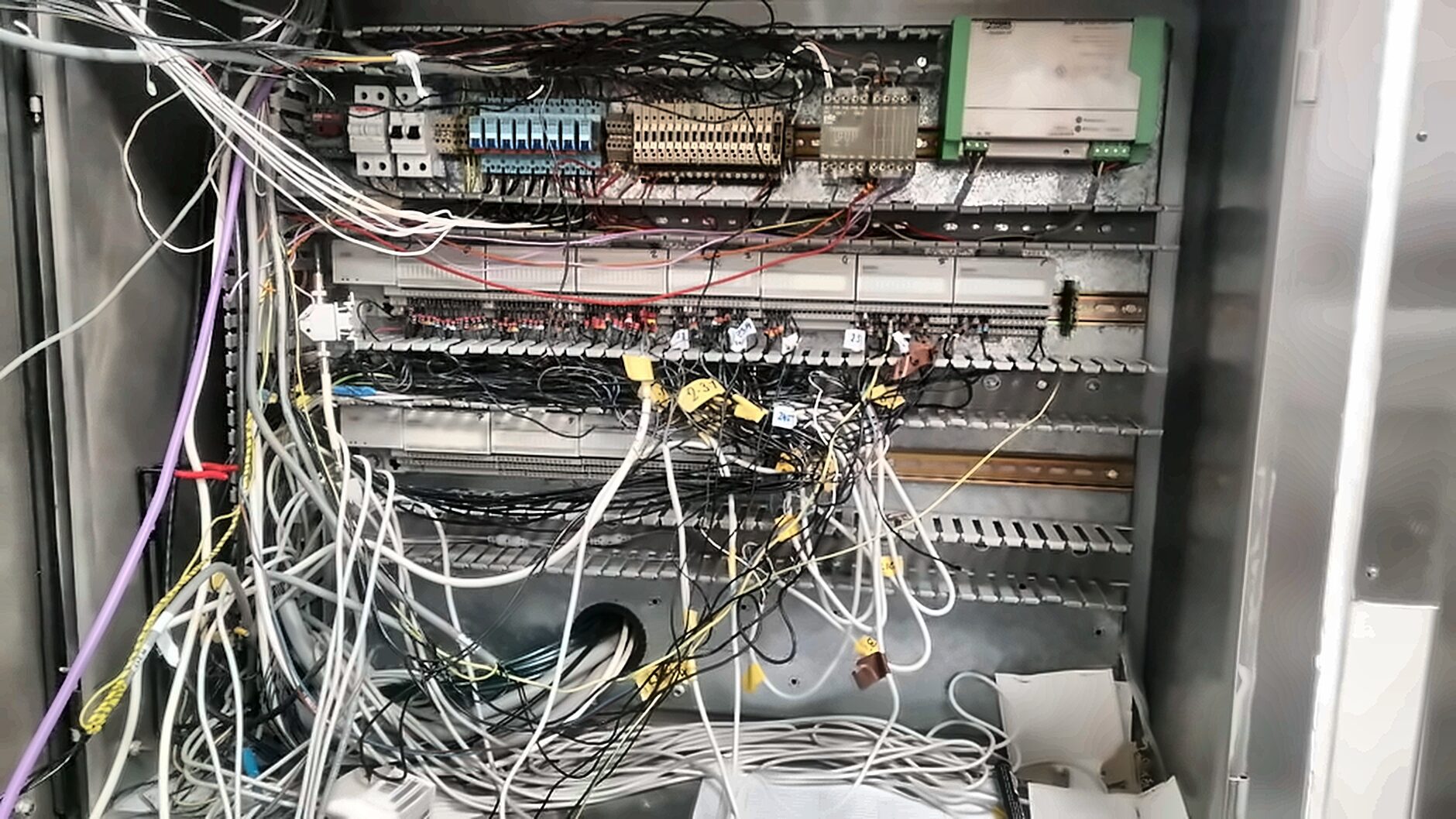
Across Ireland and the UK, many manufacturers continue to operate production lines controlled by electrical panels installed fifteen or twenty years ago. While these systems may still be functioning, many rely on PLCs, drives and electrical components that are now obsolete or approaching the end of their supported life.
As spare parts become more difficult to source and experienced engineers retire, maintaining these legacy systems becomes increasingly challenging. A fault that once took an hour to diagnose can become a full day of investigation simply because documentation is incomplete or replacement components are no longer available.
For many manufacturers, replacing the control panel is no longer just a maintenance decision. It is an opportunity to improve reliability, simplify future maintenance and create an automation platform capable of supporting the next decade of production.
Why Legacy Control Panels Become a Risk
Most control panels do not fail suddenly, instead they gradually become more difficult to support.
PLCs reach end-of-life, Input and output modules become obsolete and Contactors, power supplies and overloads are discontinued, while panel drawings often no longer reflect the modifications that have been made over the years.
The result is increased downtime, longer repair times and greater dependence on specialist knowledge held by only a small number of people within the business.
Replacing a legacy control panel resets that risk, providing modern hardware, up-to-date documentation and a platform that can be maintained and expanded with confidence.
One of the biggest mistakes manufacturers make is assuming that replacing an old control panel means building an identical new one.
In reality, every replacement project provides an opportunity to improve the original design.
Electrical loads can be reviewed to ensure components are correctly sized for today’s production requirements. Cable segregation can be improved to reduce electrical interference, while modern protection devices provide greater reliability and easier fault diagnosis.
Thermal management is another important consideration. Excessive heat is one of the most common causes of premature electrical component failure, yet many older panels were designed with little consideration for airflow, ventilation or future expansion. A well-designed control panel manages heat effectively, helping extend component life and improve long-term reliability.
Rather than reproducing yesterday’s limitations, a new panel should be designed around the operational requirements of today and the future needs of the facility.
Modern control panels must do far more than operate machinery and they also need to demonstrate compliance with current electrical and machinery standards.
Electrical equipment forming part of machinery should be designed in accordance with BS EN 60204-1 / IEC 60204-1, covering areas such as protective bonding, conductor identification, isolation, labelling and electrical safety.
Where the control panel forms part of a low-voltage assembly, IEC 61439 provides the framework for design verification, construction and testing.
Designing to recognised standards not only improves safety but also simplifies future inspections, maintenance and regulatory compliance.
Safety should never be considered after a panel has been built, if a machine requires emergency stops, safety interlocks, safe torque off or other protective functions, these should be incorporated into the design from the outset.
Standards such as ISO 13849-1 and IEC 62061 provide guidance on achieving the required Performance Level (PL) or Safety Integrity Level (SIL), ensuring safety systems are designed, verified and documented correctly.
By considering safety early in the project, manufacturers reduce redesign costs while ensuring the finished installation supports both safe operation and regulatory compliance.
Designing for the Engineers Who Will Maintain It
A control panel is expected to operate for many years after installation.
The quality of its design directly affects how quickly engineers can diagnose faults, replace components and carry out routine maintenance.
Clear labelling, logical component layout, accessible terminals and accurate as-built documentation all reduce maintenance time and improve safety during servicing.
Future expansion should also be considered. Allowing space for additional I/O, spare terminals and future modifications can significantly reduce the cost of later upgrades while extending the useful life of the installation.
A well-designed panel is not simply easier to build and it is easier to maintain throughout its entire operational life. Replacing a legacy control panel is about much more than installing new electrical components and it provides an opportunity to improve operational reliability, modernise safety systems, simplify maintenance and create an automation platform that supports future production requirements.
Manufacturers who take a strategic approach to control panel replacement often benefit from reduced downtime, improved diagnostics, better documentation and greater confidence that critical equipment can continue operating for years to come.
Control Panel Design and Build by BONNER
For more than 45 years, BONNER has designed and built industrial control panels for manufacturers across Ireland.
Every panel is designed, manufactured and tested in-house to current industry standards, ensuring complete accountability from initial design through to factory testing and documentation.
Whether replacing an obsolete PLC panel, modernising a production line or designing a new automation system, our focus is on delivering control panels that are reliable, maintainable and built to support long-term operational performance.