Why pH Probes Need to Stay Hydrated: Protecting Measurement Accuracy
pH measurement plays an important role across laboratories, production environments, water testing and quality control. Whether monitoring a process, checking water quality or carrying out laboratory analysis, reliable pH measurements depend on the condition of the probe itself.
One of the most common causes of poor pH performance is also one of the simplest to prevent: allowing the pH probe to dry out or storing it in the wrong solution.
Why does a pH probe need to stay hydrated?
Most pH probes use a glass sensing bulb alongside a reference junction. These components need to remain hydrated to operate correctly and provide stable measurements.
When a probe dries out, its performance can be affected, potentially resulting in:
- Slow response times
- Unstable readings
- Calibration failures
- Reduced measurement accuracy
- Shorter probe lifespan
For manufacturers and laboratories where measurement accuracy and repeatability matter, correct probe care should form part of the overall measurement and calibration process.
Poor probe performance isn’t always caused by a calibration issue. The condition and storage of the electrode can have a significant impact on the readings obtained.
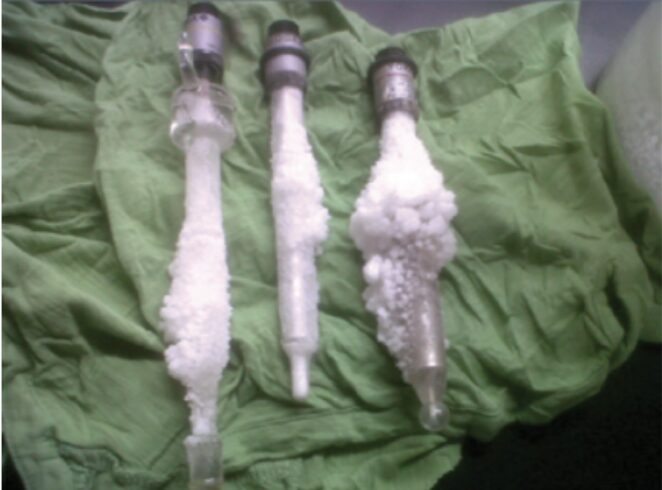
Common causes of unreliable pH measurements include storing the probe dry, using an unsuitable storage solution, build-up on the glass bulb or a blocked reference junction.
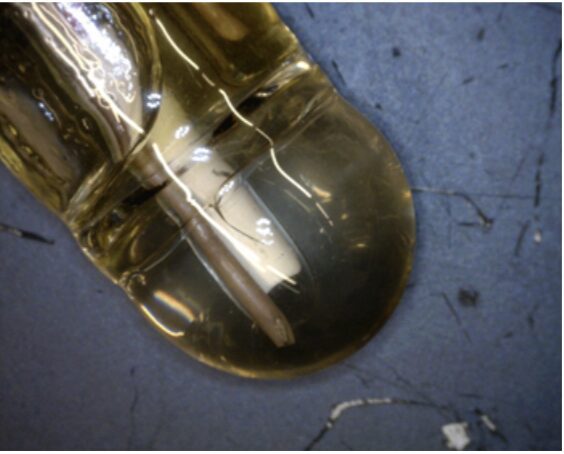
Probes can also become damaged through cracked glass, chemical attack, age or, in the case of refillable probes, a low electrolyte level.
This is why checking the condition of the probe before calibration is an important step.
What to check before calibrating a pH probe
Before starting a pH calibration, the probe should be inspected and prepared correctly.
Check that the glass bulb is clean and free from build-up, that the probe has been stored correctly and that there are no visible cracks or damage.
The cable and connector should also be secure.
It is equally important to use the correct buffer solutions.
Buffers should be appropriate for the application, in date and free from contamination.
Taking these simple steps before calibration can help distinguish between a calibration issue and a problem with the probe itself.
How is a pH probe calibrated?
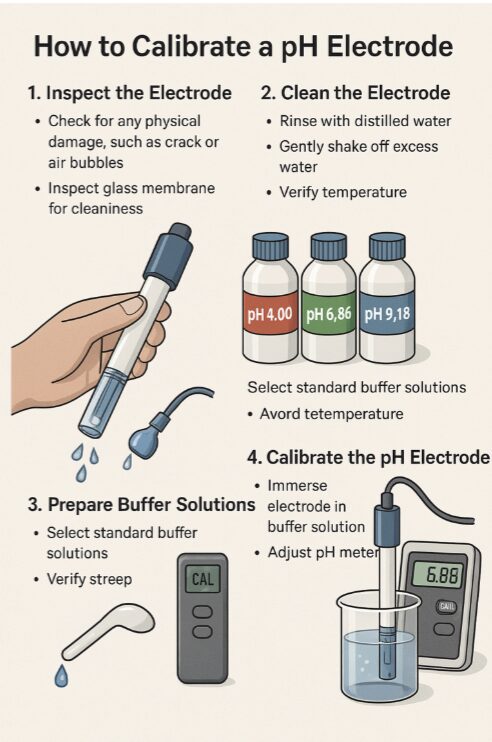
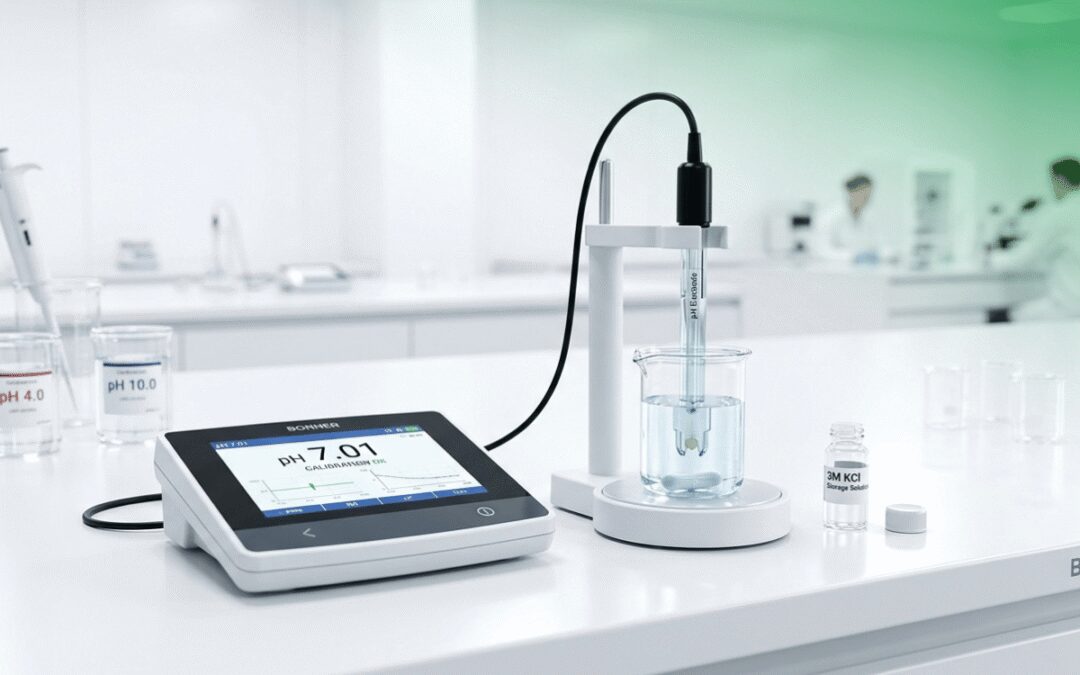
A typical pH calibration involves placing the probe into known pH buffer solutions and allowing the measurement to stabilise before confirming or adjusting the calibration.
Depending on the application and instrument, calibration may use two or three points.
The probe is rinsed between solutions, measurements are allowed to stabilise and the results are recorded.
Using suitable, traceable reference standards and following the appropriate calibration procedure helps provide confidence that the instrument is measuring correctly.
Signs your pH probe may need attention
A probe may require cleaning, rehydration, further investigation or replacement if it:
- Will not calibrate
- Takes an unusually long time to stabilise
- Produces continuously drifting readings
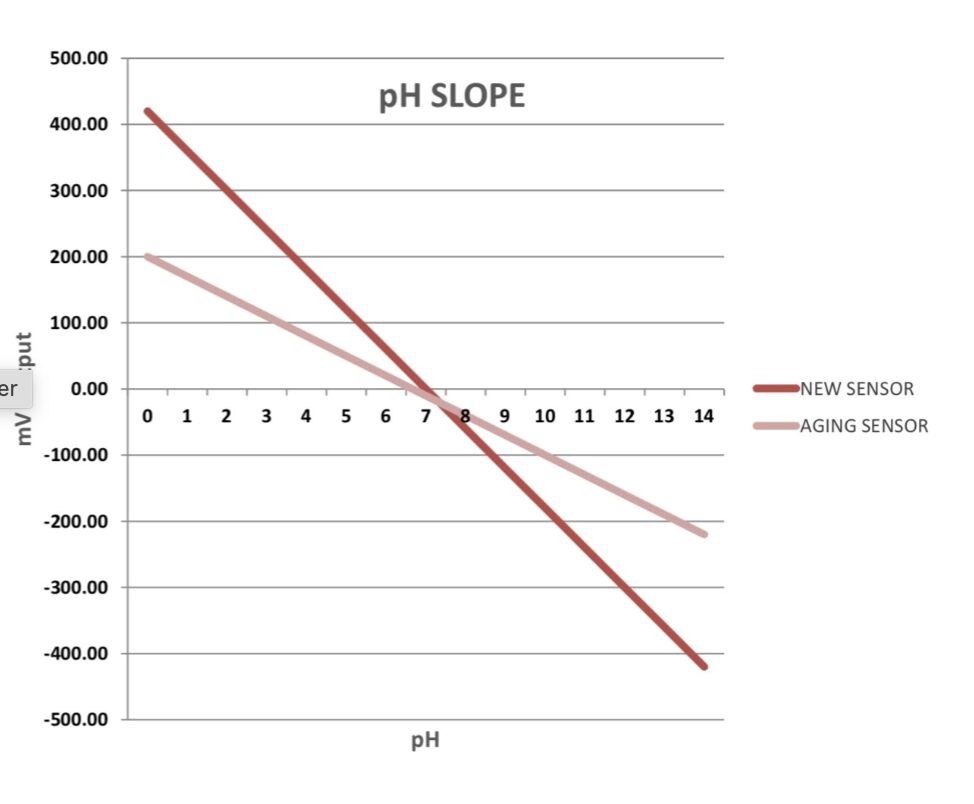
- Has a slope outside acceptable limits
- Has excessive offset
- Has damaged glass
- Produces significantly different results from another probe
These symptoms don’t necessarily mean the probe needs to be replaced.
Cleaning, correct storage or rehydration may restore performance, depending on the condition of the electrode and the manufacturer’s recommendations.
What should you store a pH probe in?
Correct storage is one of the simplest ways to protect pH probe performance.
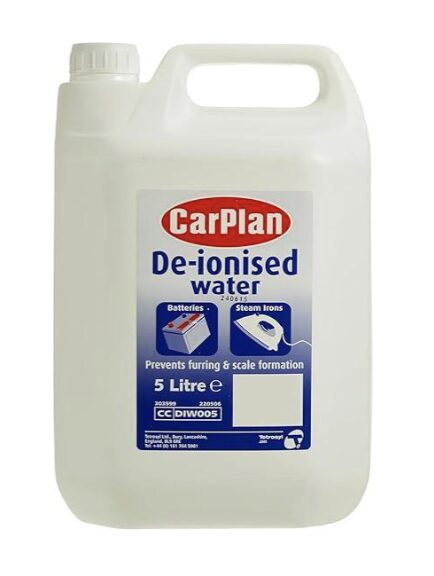
pH probes should generally not be stored in distilled, deionised or RO water, as pure water can affect the reference electrolyte and compromise probe performance over time.
They should also not be left in dry air or stored long-term in a buffer solution unless the manufacturer specifically recommends it.
The manufacturer’s recommended storage solution should always be the first reference point.
Where the manufacturer’s instructions are unavailable, 3 M potassium chloride (KCl) pH electrode storage solution is commonly used for standard pH probes, subject to the probe manufacturer’s requirements.
Calibration is only part of measurement confidence
For organisations relying on pH measurements in production, laboratory or quality-control environments, maintaining the probe is just one part of achieving reliable results.
Correct storage, regular cleaning, appropriate reference standards and routine calibration all contribute to measurement confidence.
Calibration can also identify when an instrument is approaching the limits of acceptable performance and requires further investigation.
At BONNER, our calibration services support manufacturers and laboratories with the calibration of pH and other critical instrumentation, helping customers maintain accurate measurements, traceability and reliable equipment performance.
Looking for pH calibration support?
Whether you require on-site calibration or in-house calibration, BONNER can support your instrumentation requirements with experienced calibration technicians and technical expertise.
Explore BONNER Calibration Services – LINK