Pressure Transmitter Calibration in Pharmaceutical Manufacturing
Accurate pressure measurement is essential across pharmaceutical manufacturing, particularly where pressure forms part of a critical process or helps maintain controlled operating conditions.
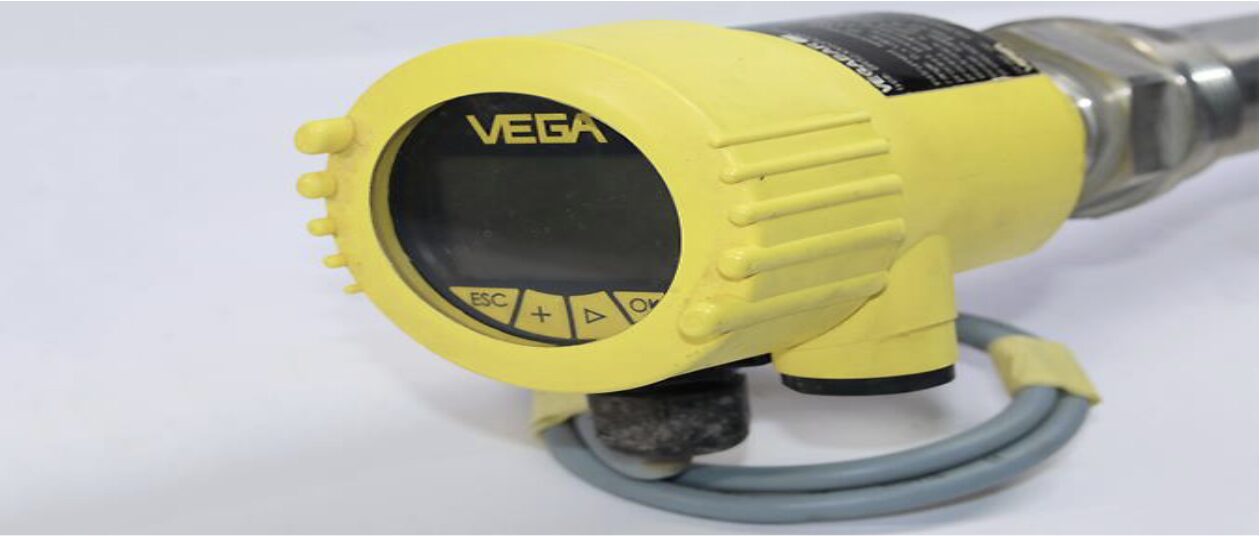
The VEGABAR 52 pressure transmitter is used for pressure measurement in applications including purified water systems, clean steam, reactors, filtration systems and CIP/SIP processes. Maintaining accurate calibration helps manufacturers maintain measurement confidence, support GMP requirements and identify potential instrumentation issues before they affect production. For pharmaceutical manufacturers, calibration is not simply about checking whether an instrument is reading correctly but is about using appropriate traceable standards, following an established procedure and maintaining clear records that demonstrate the performance of critical instrumentation.
Why pressure transmitter calibration matters
Pressure transmitters can experience measurement drift over time due to operating conditions, sensor ageing, vibration, installation conditions or other factors. Regular calibration provides an opportunity to compare the transmitter’s output against a known pressure standard and determine whether it remains within the required tolerance. For pharmaceutical manufacturing, this can support:
- Reliable process measurements
- Product and process quality
- GMP and audit requirements
- Process safety
- Reduced risk of production deviations
- Improved confidence in instrumentation
- Better preventative maintenance planning
The appropriate calibration frequency will depend on the instrument, application, manufacturer recommendations, site procedures and historical performance.
Calibrating a VEGABAR 52 pressure transmitter
A calibration should begin with identification and documentation. The technician verifies the instrument tag, model and serial number, calibration status and measurement range, while reviewing previous calibration information where available. For example, a transmitter may have a 0–10 bar range with a 4–20 mA output.
The transmitter must then be safely isolated from the process before calibration equipment is connected. This includes following the appropriate site isolation and safety procedures and ensuring any trapped process pressure is safely released. In a pharmaceutical environment, maintaining appropriate cleanliness and preventing contamination during the work is also an important consideration.
Connecting the calibration equipment
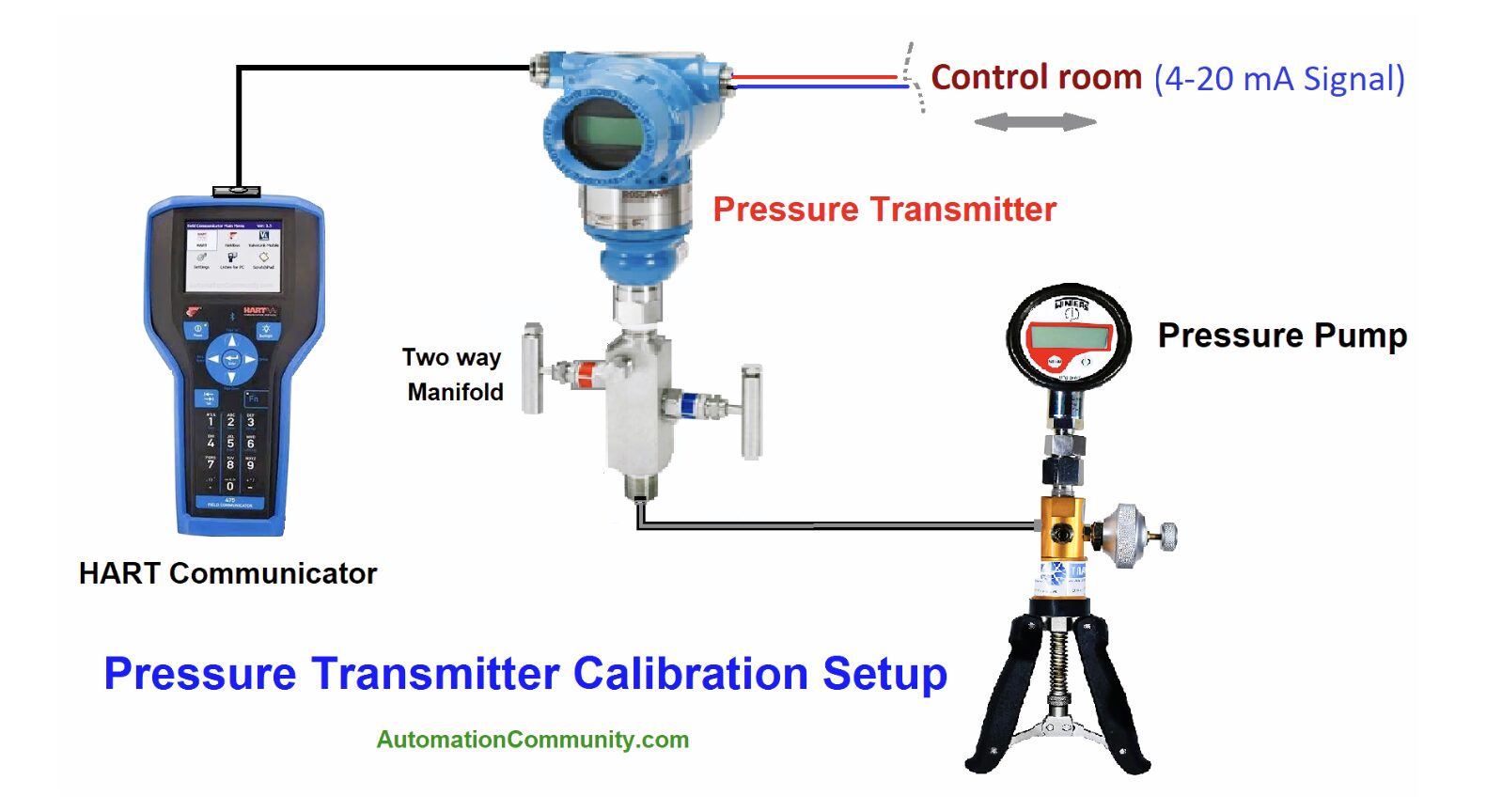
Once isolated, the transmitter is connected to suitable calibration equipment. The calibration setup may include a pressure calibrator, pressure source, multimeter and, where required, a HART communicator. The equipment used for calibration should itself be appropriately calibrated and traceable. Before applying pressure, the technician checks the connections, fittings and electrical configuration to ensure the setup is secure and suitable for the calibration.
Applying pressure and checking the output
Known pressure inputs are applied across the transmitter’s operating range while the corresponding output is recorded. For a typical 4–20 mA transmitter, this means checking that the electrical output corresponds correctly to the applied pressure. The transmitter’s response can then be assessed across the required calibration points, allowing the technician to identify errors such as offset, span or linearity issues. Where adjustment is required, the transmitter can be adjusted in accordance with the appropriate procedure before being tested again.
At zero pressure, the transmitter output can be checked for the appropriate zero value. If an adjustment is required, the zero setting can be corrected and verified. The transmitter can then be checked at the upper end of its range to assess the span. Following any adjustment, intermediate points should be checked again to confirm that the transmitter is responding correctly across the measurement range. The important point is that adjustment should not replace verification. Following any adjustment, the transmitter needs to be retested to establish its final performance.
A key part of a controlled calibration process is recording both as-found and as-left results. The as-found results show how the transmitter was performing before any adjustment. If the instrument was outside its required tolerance, this information provides an important record of its condition. Following adjustment, the calibration is repeated and the as-left results document the final performance of the transmitter. This provides a clear record of:
- Instrument identification
- Calibration date
- Applied pressure points
- Measured outputs
- As-found results
- Adjustments carried out
- As-left results
- Final calibration status
- Technician and equipment information
For pharmaceutical manufacturers, maintaining accurate calibration records is an important part of demonstrating control over measurement equipment.
Common VEGABAR 52 calibration issues
Calibration can also highlight problems that are not necessarily solved by simply adjusting the transmitter. For example, an unstable reading may indicate issues with the pressure source, installation, vibration or other process conditions. A constant output may require investigation of the power supply, wiring or transmitter configuration. Pressure leakage, blocked impulse lines or incorrect installation can also affect measurement performance. This is where calibration becomes more valuable than simply producing a certificate.
The calibration results can provide useful information about the condition and performance of the instrumentation.
Calibration support for pharmaceutical manufacturing
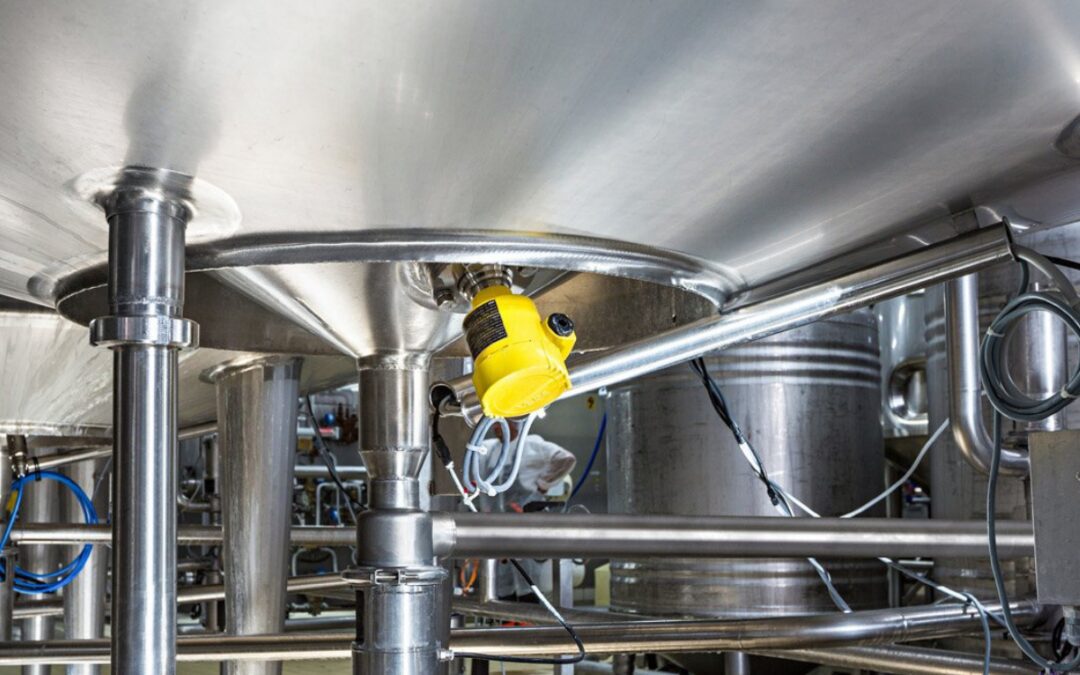
Pharmaceutical manufacturing environments can place demanding requirements on instrumentation. Pressure transmitters may operate around processes involving purified water, WFI, clean steam, filtration, reactors, fermentation, CIP and SIP systems. Calibration therefore needs to take account of the application as well as the instrument.
At BONNER, our calibration and instrumentation teams support manufacturers with the calibration of pressure, temperature, flow, pH and other critical instrumentation.
Calibration can be carried out on site or in-house, depending on the instrument, application and customer’s requirements. Our approach combines calibration with practical instrumentation expertise, helping customers understand not only whether an instrument is within tolerance, but also where further investigation or maintenance may be required.
The importance of traceability
Reliable calibration depends on the use of appropriate reference standards and accurate documentation. For pharmaceutical manufacturers, calibration records may need to support internal quality systems, audits and regulatory requirements. Maintaining clear records of the instrument, reference equipment, results and any adjustments provides an auditable history of measurement performance. This is particularly important for instruments involved in critical manufacturing processes.
The VEGABAR 52 is just one example of the pressure instrumentation used across pharmaceutical manufacturing.
Regardless of the specific transmitter, maintaining measurement accuracy requires a combination of appropriate calibration procedures, traceable reference equipment, competent technicians and reliable documentation. Regular calibration helps manufacturers maintain confidence in their pressure measurements, identify instrumentation issues and support the wider quality and compliance requirements of a controlled manufacturing environment. For pharmaceutical manufacturers, calibration is not simply a scheduled task – it is part of maintaining confidence in the measurements that support the process.
Looking for pressure transmitter calibration?
BONNER provides on-site and in-house calibration services for manufacturers across Ireland, supporting pressure, temperature, flow, pH and other instrumentation.