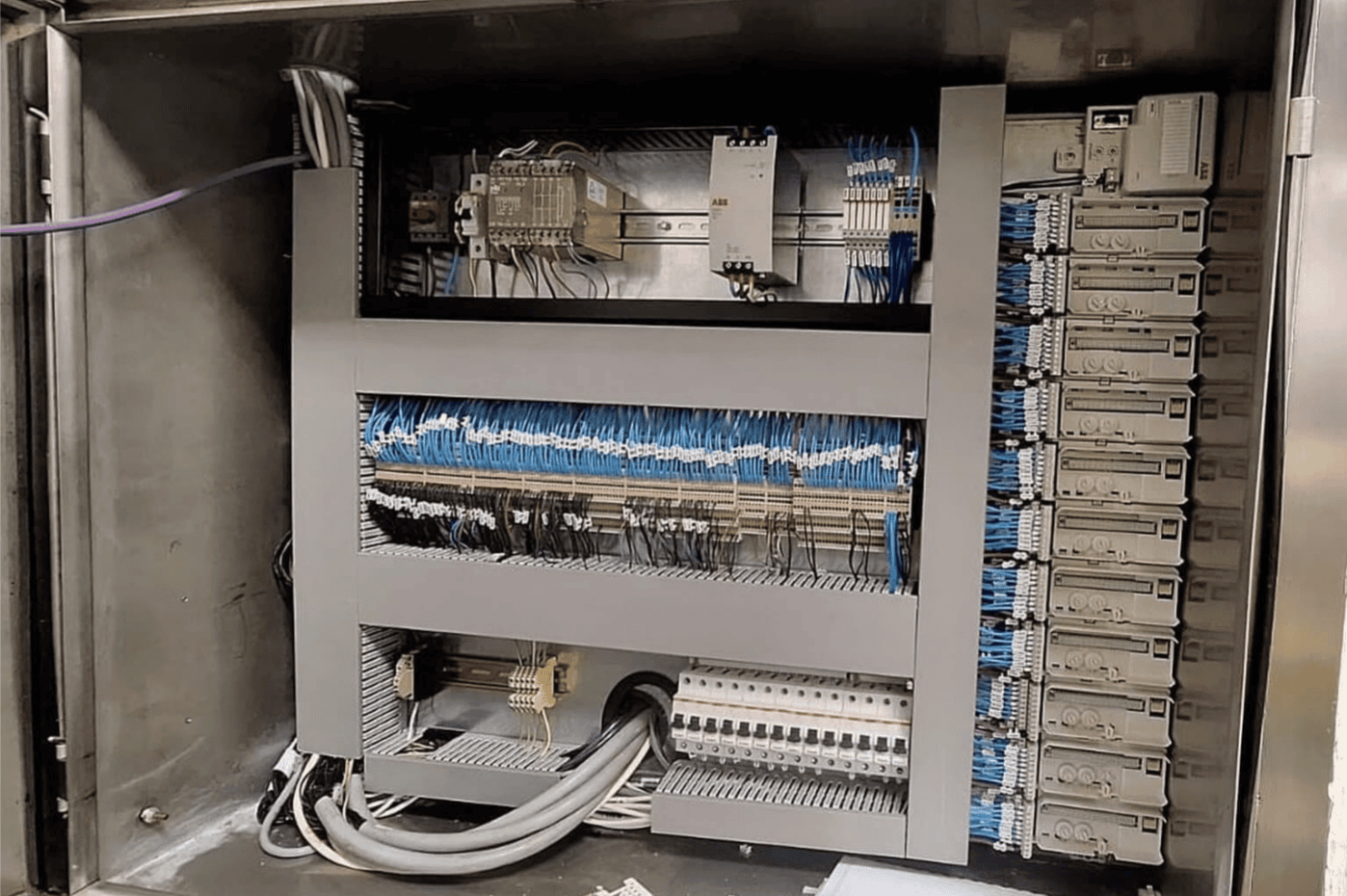
When a control panel begins to fail, the immediate focus is often on replacing obsolete PLCs or worn electrical components, but a control panel replacement is about far more than installing new hardware.
Control panel replacement is an opportunity to improve reliability, simplify maintenance and create a platform that will support your operation for years to come. Treating it as a like-for-like replacement often means carrying forward the same weaknesses that caused problems in the first place. The quality of the design, compliance with current standards and the overall build determine whether the new panel delivers another decade of reliable operation, or simply creates a new set of challenges.
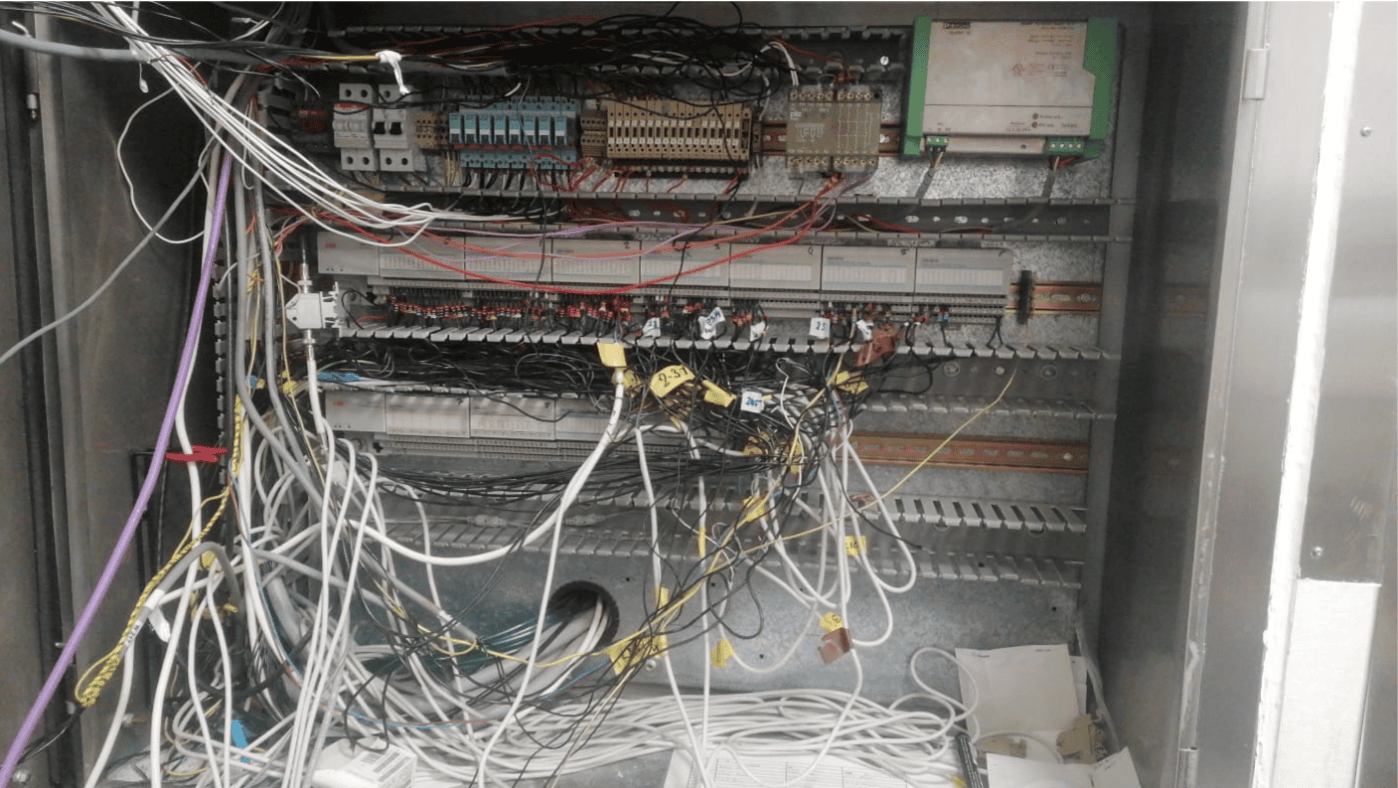
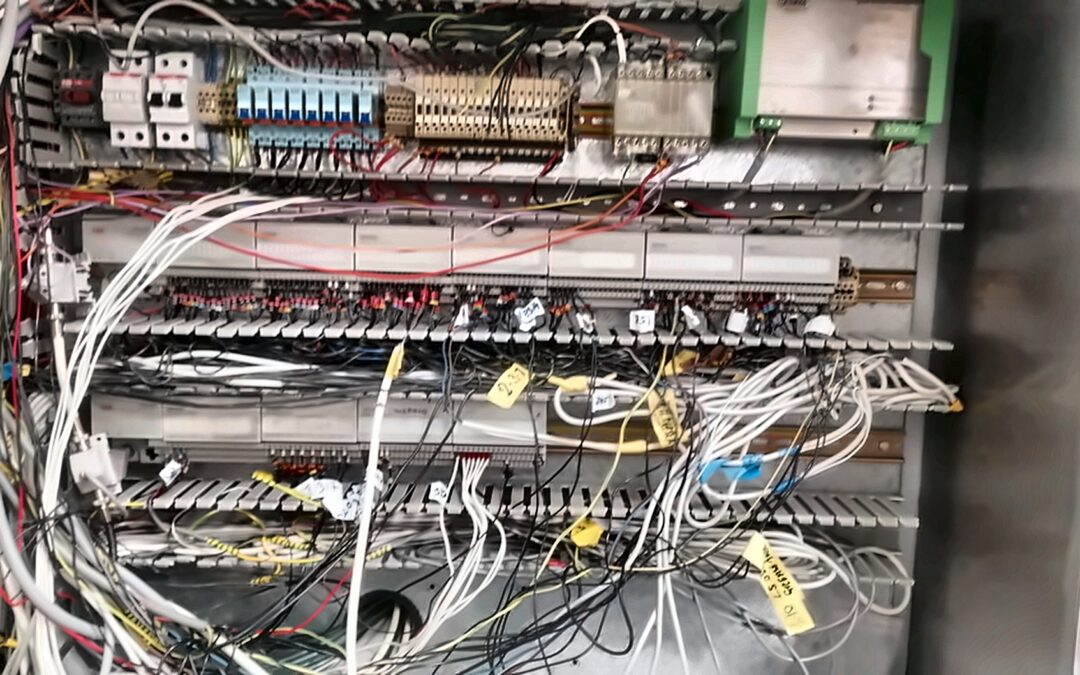
When Legacy Control Panels Become a Business RiskMany manufacturers are still operating control panels installed 15 or 20 years ago. While these systems may continue to run, the risks increase every year.Obsolete PLCs become harder to support and spare parts become scarce. Documentation no longer reflects modifications made over time. When faults occur, engineers spend longer diagnosing problems, increasing downtime and disrupting production. At the same time, machinery safety standards have evolved significantly since many of these panels were originally installed, creating an opportunity to improve both performance and compliance through a properly engineered replacement.
A Control Panel Replacement Should Improve the ProcessReplacing a control panel should never be viewed as copying the old design into a new enclosure.A well-designed replacement begins by reviewing how the equipment operates today. Electrical loads, cable sizing, protection, thermal management, power distribution and future expansion should all be reassessed before a single component is selected. This is also the opportunity to eliminate known issues, improve accessibility for maintenance teams and build capacity for future production changes rather than recreating yesterday’s limitations.
Designing for ReliabilityReliability starts long before the panel is built.Good panel design considers:
- Component selection based on long-term availability
- Clear segregation between power and control circuits
- Effective thermal management
- Logical cable routing
- Accurate documentation
- Space for future expansion
- Safe access for maintenance
These decisions have a direct impact on downtime, troubleshooting and lifecycle costs long after installation has been completed.
Safety Must Be Designed InModern control panels are expected to do far more than operate machinery and they also need to support functional safety requirements.Emergency stops, guard interlocks, safe torque off functions and safety PLCs should be considered during the design phase. Designing around recognised standards helps ensure the panel can be tested, validated and maintained throughout its operational life.
Documentation Is Part of the DeliverableOne of the most common problems with legacy systems is the missing information. Over years of modifications, many panels no longer match their original drawings. Engineers are left fault-finding from memory, handwritten notes or undocumented changes. A professionally designed replacement includes complete as-built documentation, labelled wiring, updated schematics and clear maintenance information, giving future engineers confidence when servicing the equipment.
Better Engineering Creates Better Long-Term Performance
At BONNER, we see a control panel replacement as an opportunity to improve how your operation performs.
By understanding the process first, we design and build control panels that improve reliability, simplify maintenance, support current safety requirements and provide a platform for future automation.