

In industrial thermal processing, oven control probe calibration is critical to maintaining product quality, consistency, and compliance.
The control probe acts as the “brain” of the oven, if it drifts out of calibration, batches can become under cured or overheated, leading to costly waste and potential compliance issues.
At BONNER, we specialise in precision calibration services that ensure your oven temperature readings reflect the true conditions inside the chamber.
Why Oven Probe Calibration MattersAccurate oven temperature control is essential for:
- Ensuring consistent product quality
- Reducing material waste and rework
- Improving energy efficiency
- Meeting audit and regulatory requirements
Even small temperature deviations can significantly impact thermal processing outcomes.
1. Pre-Calibration Inspection: Identifying Potential Issues
Before calibration begins, a thorough inspection of the oven control system is essential.
Probe Condition CheckInspect the probe sheath for:
- Corrosion or pitting
- Physical damage or bending
- General wear and tear
Damaged probes can lead to inaccurate readings and unreliable calibration results.
Door Seals and GasketsFaulty door seals can:
- Allow cold air ingress
- Cause the controller to misread internal temperatures
- Lead to overheating (“over-firing”)
- Worn hinges
- Physical damage
- Uneven flooring
can create the same issues as poor seals, impacting temperature stability and accuracy.
2. Calibration Setup: Correct Probe Placement
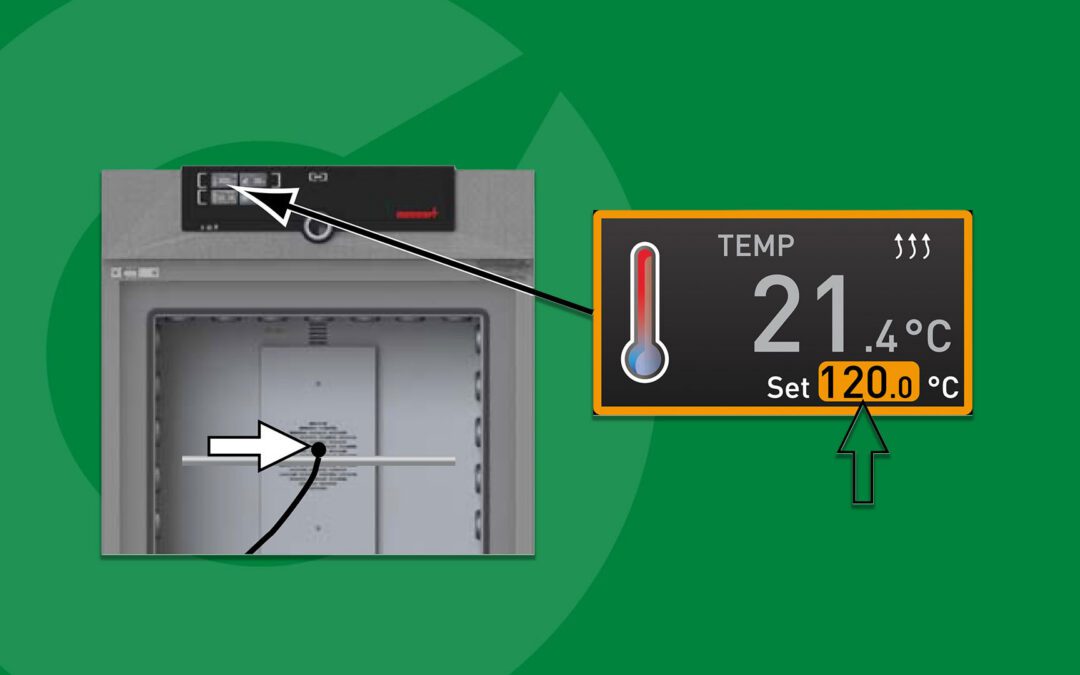
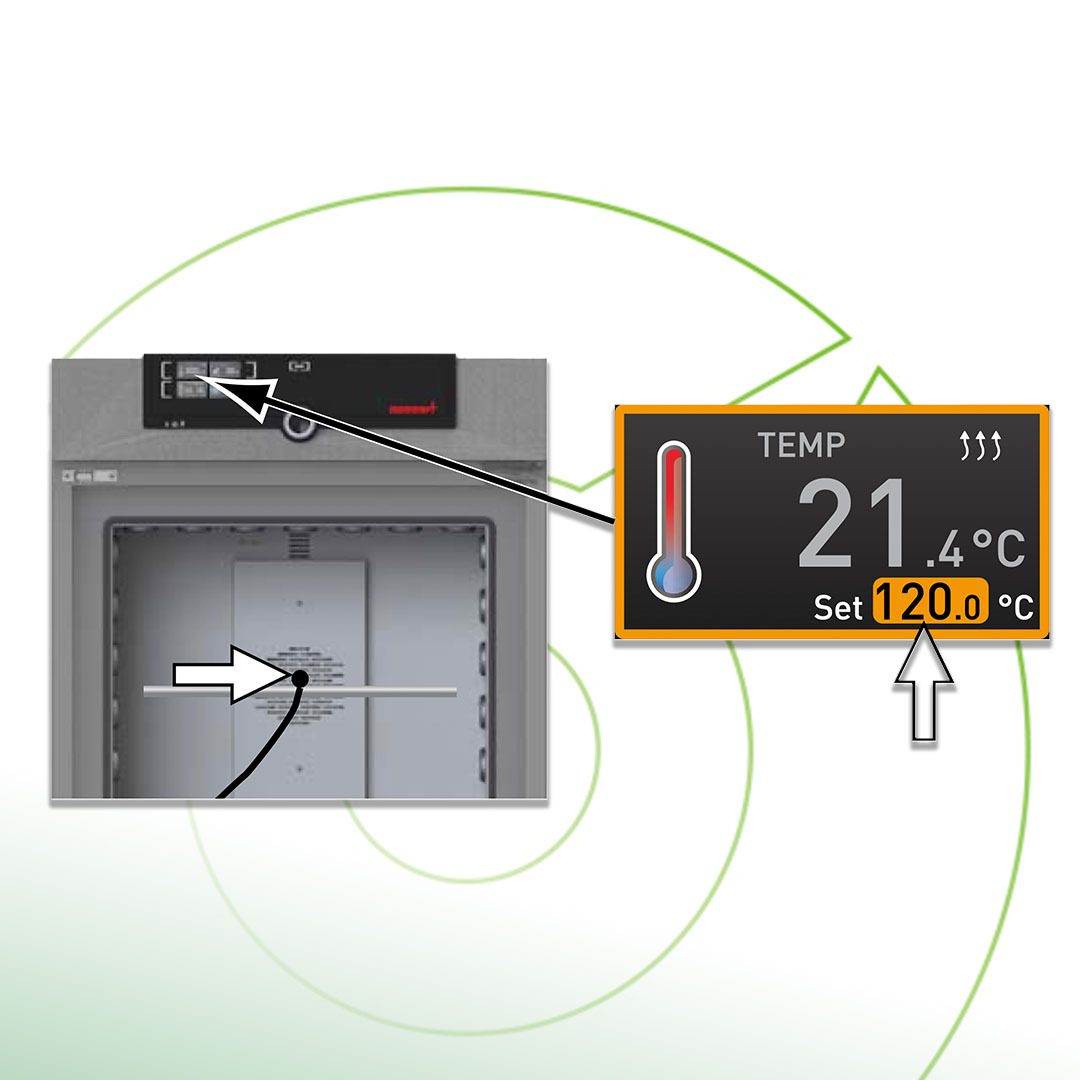
Proper positioning of the reference probe is key to accurate calibration.Standard practice: Place the reference probe close to the oven’s control probeFan-assisted ovens (e.g. Memmert UF models):
- Position the reference probe in the centre of the chamber
- Always consult the manufacturer’s manual for best practice
Correct placement ensures reliable and representative temperature readings.
3. Achieving Temperature Stability (“Soak Time”)Accurate calibration requires stable conditions inside the oven.Understanding Temperature OscillationMost industrial ovens use PID control systems, which means:
- Temperature may initially overshoot the setpoint
- Then undershoot
- Before stabilising
- Allow the oven to stabilise for 5–10 minutes at the target temperature
- Ensure readings remain consistent during this period
This “soak time” ensures both the probe and surrounding air are in equilibrium, improving calibration accuracy.
4. Calibration Verification and CorrectionTo validate performance, calibration is typically carried out at three points:
- Low temperature range
- Mid-range
- High temperature range

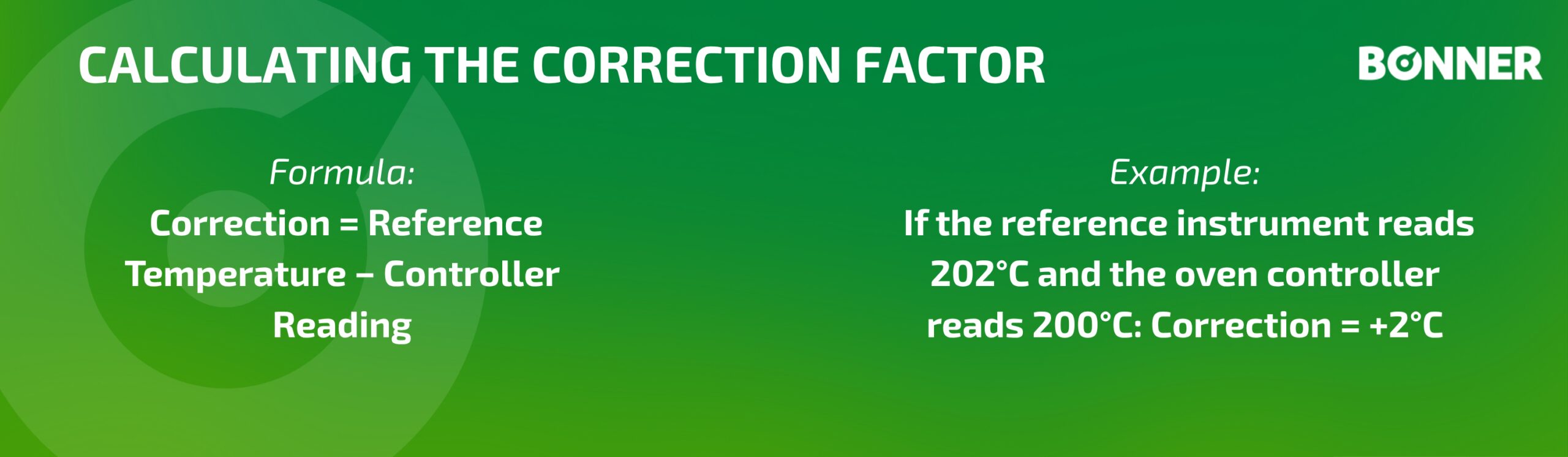
This offset is then applied to the controller to ensure accurate temperature control.
The BONNER Approach to Oven Calibration
At BONNER, we go beyond simple adjustments. Our calibration process focuses on understanding the full thermal environment of your equipment to deliver:
- Improved process reliability
- Reduced scrap and downtime
- Enhanced energy efficiency
- Full audit readiness and compliance
Book Your Oven Calibration Service:Ensure your thermal processes remain accurate, efficient, and compliant with professional oven control probe calibration services from BONNER.
Contact our team today to schedule your calibration or learn more about our full range of temperature calibration solutions.