

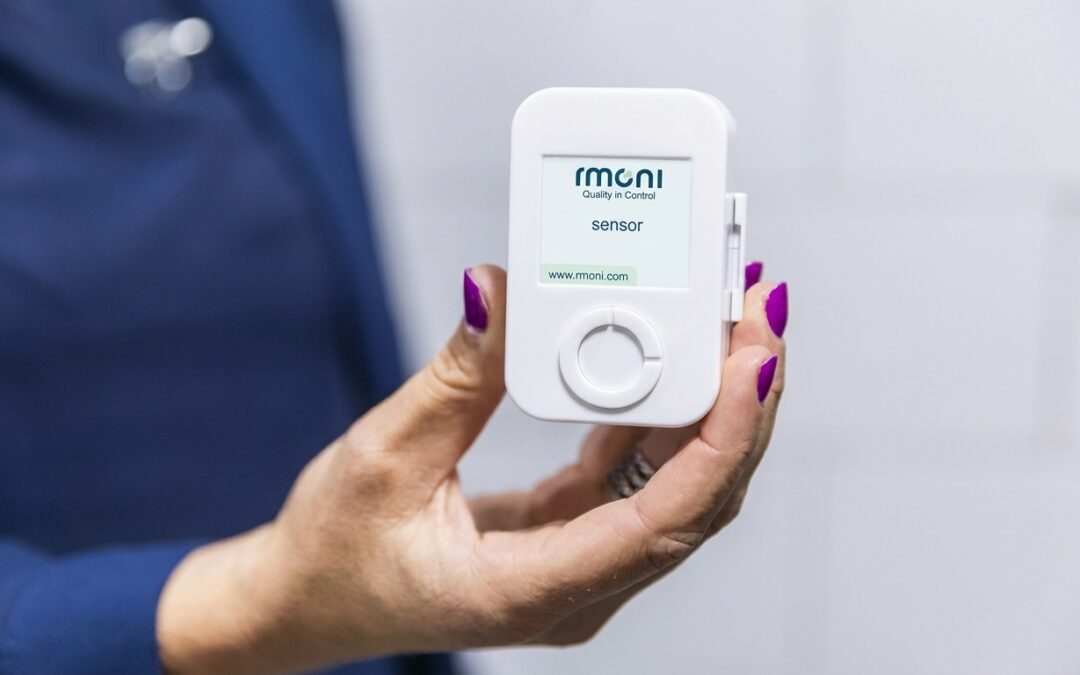
Improving quality control, environmental monitoring and operational visibility through connected digital monitoring solutions.
In pharmaceutical manufacturing, healthcare and laboratory environments, maintaining controlled conditions is essential.
Medicines, vaccines, biological samples and other temperature-sensitive materials often require specific environmental conditions during storage, handling and transportation. Even small deviations can affect product quality, create operational challenges and lead to additional investigation and documentation.
Yet many organisations still rely on manual temperature checks, paper records and periodic reporting to monitor critical equipment and storage environments.
As operations become more complex, these processes can become time-consuming and difficult to manage.
Digital monitoring offers a smarter approach.
BONNER provides digital monitoring solutions that combine connected sensors, monitoring hardware, software and reporting capabilities to help pharmaceutical and healthcare organisations improve visibility, manage environmental conditions and maintain more consistent monitoring records.
Why is environmental monitoring important in pharmaceutical and healthcare environments?
Temperature monitoring is an important part of maintaining product quality and protecting sensitive materials.
Pharmaceutical storage facilities, laboratories, hospitals and distribution operations may all have equipment and environments that require ongoing monitoring.
These can include:
- Pharmaceutical refrigerators and freezers.
- Temperature-controlled warehouses.
- Cold rooms and storage areas.
- Laboratory equipment and sample storage.
- Vaccine and medicine storage facilities.
- Temperature-sensitive transportation environments.
Reliable monitoring helps organisations maintain oversight of these conditions and identify when readings move outside established limits.
It also supports the documentation and record-keeping processes needed for internal quality management, audits and applicable regulatory requirements.
Moving from manual checks to digital monitoring
Traditional monitoring methods often depend on employees taking readings, recording measurements and compiling reports manually.
While these processes can work, they create additional administrative responsibilities and may make it harder to maintain consistent oversight across multiple locations.
Digital monitoring provides an alternative.
By connecting sensors and monitoring devices to a central software platform, organisations can collect environmental data automatically and access information digitally.
Depending on the system configuration, this can provide:
- Continuous or scheduled temperature monitoring.
- Automated recording of environmental readings.
- Configurable alerts when readings move outside defined limits.
- Digital reporting and historical data records.
- Improved visibility across multiple monitoring points.
- Easier access to information for review and investigation.
Moving towards digital monitoring can reduce reliance on manual data collection and help teams respond more effectively when conditions change.
Real-time temperature monitoring and alerts
For temperature-sensitive environments, identifying a deviation quickly is important.
A digital monitoring system can use connected sensors, gateways and communication devices to collect readings and make information available through monitoring software.
When configured with appropriate alarm limits and notification settings, the system can alert designated personnel when monitored conditions move outside the agreed parameters.
This helps organisations move beyond periodic manual checks towards a more proactive approach.
Key benefits include:
Greater visibility: Access monitoring information digitally and gain a clearer understanding of conditions across relevant storage areas and equipment.
Earlier identification of deviations: Configured alerts can notify responsible personnel when readings move outside established limits, allowing them to investigate and take appropriate action.
Improved documentation: Digital records make it easier to review historical readings, investigate deviations and prepare monitoring reports.
Reduced administrative workload: Automated data collection can reduce the need for repeated manual readings and paper-based record keeping.
Supporting pharmaceutical quality management and GDP requirements
Good Distribution Practice (GDP) plays an important role in maintaining the quality and integrity of medicinal products throughout the distribution process. Organisations involved in pharmaceutical storage and distribution need appropriate processes for monitoring environmental conditions, managing deviations and maintaining relevant records.
Digital temperature monitoring can support these processes by providing:
- Consistent environmental monitoring records.
- Historical temperature data.
- Configurable alerts and notifications.
- Reporting to support quality reviews.
- Greater visibility across storage and distribution environments.
However, implementing a digital monitoring system is only one part of an effective quality management process. System selection, configuration, calibration, validation where required, documented procedures and staff training must all be considered in the context of the organisation’s regulatory and operational requirements.
BONNER works with clients to understand their monitoring requirements and identify suitable hardware and software solutions to support their processes.
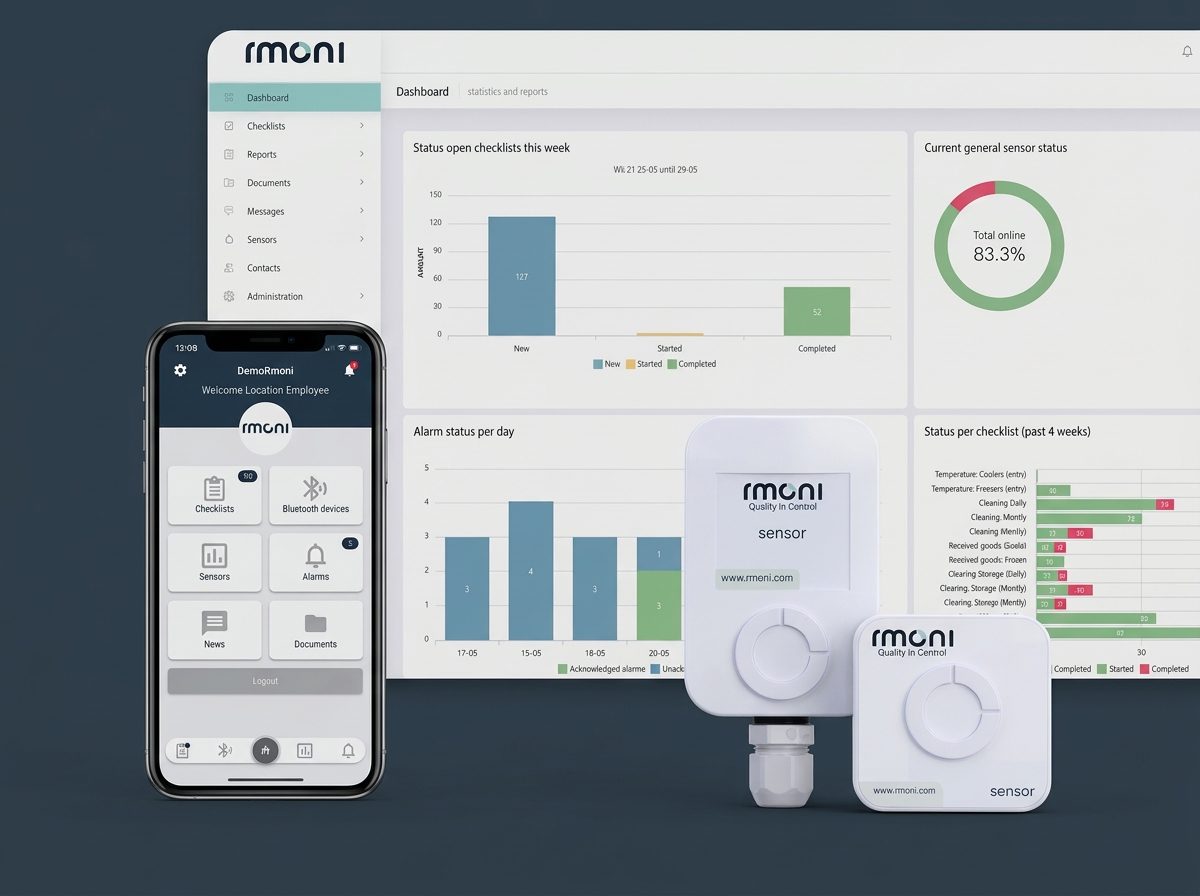
Where can digital monitoring make a difference?
Digital environmental monitoring can support a range of applications across pharmaceutical, healthcare and laboratory environments.
Pharmaceutical storage and cold rooms
Medicines and other temperature-sensitive products may require controlled storage conditions. Connected monitoring devices can provide ongoing visibility of temperature conditions in refrigerators, freezers, cold rooms and warehouse environments.
Laboratories and research facilities
Laboratories often store sensitive samples, reagents and biological materials that require specific environmental conditions. Digital monitoring helps maintain records of monitored conditions and provides greater visibility across relevant storage equipment.
Hospitals and healthcare facilities
Hospitals manage a wide range of temperature-sensitive products, including medicines, vaccines and laboratory materials.
Digital monitoring can help simplify the oversight of storage environments and reduce dependence on manual recording processes.
Pharmaceutical transportation
Maintaining appropriate conditions during distribution is an important part of protecting temperature-sensitive products. Suitable monitoring solutions can record relevant environmental conditions during transportation and provide digital information to support distribution and quality processes.
Implementing a digital monitoring solution
Introducing digital monitoring involves more than simply installing sensors. The right solution needs to reflect the environment being monitored, the number and location of monitoring points, the required measurement parameters and the organisation’s reporting and notification requirements.
BONNER takes a practical approach to helping clients identify and implement suitable monitoring solutions.
1. Understand the monitoring requirements
The first step is to establish what needs to be monitored, where monitoring is required and what operational or quality requirements the system needs to support.
2. Select the appropriate hardware
Depending on the application, this may include temperature sensors, data loggers, wireless devices, gateways and communication equipment.
3. Configure the monitoring software
The software is configured to provide the required monitoring information, reporting functions, alarm limits and notifications.
4. Installation and commissioning The equipment is installed and configured to suit the facility and its monitoring requirements.
5. Support and ongoing monitoring
Once operational, the system provides access to monitoring data and reporting. Ongoing calibration, maintenance and system reviews can also be considered as part of the wider monitoring programme. This joined-up approach helps ensure the technology is selected and implemented with the client’s actual operational requirements in mind.
Digital monitoring backed by BONNER’s instrumentation expertise
BONNER supports pharmaceutical, healthcare, manufacturing and logistics organisations with instrumentation, calibration, temperature mapping and digital monitoring solutions.
Our approach brings together the hardware, software and technical expertise required to support reliable environmental monitoring. Importantly, digital monitoring is only one part of the wider picture. BONNER can also support clients with temperature mapping studies, calibration of temperature monitoring equipment and instrumentation services, helping organisations maintain confidence in the measurements and monitoring systems they rely on.
From individual monitoring points to more extensive monitoring requirements across facilities, we work with clients to identify practical solutions that suit their operations.
Take a smarter approach to environmental monitoring
As pharmaceutical and healthcare operations become increasingly demanding, organisations need reliable ways to monitor conditions, maintain records and identify potential deviations.
Digital monitoring can help reduce manual administration, improve visibility and support more effective quality management processes. Whether you are responsible for pharmaceutical storage, laboratory environments, healthcare facilities or temperature-sensitive distribution, BONNER can help you explore a monitoring solution suited to your requirements.
Looking to improve temperature monitoring in your facility?
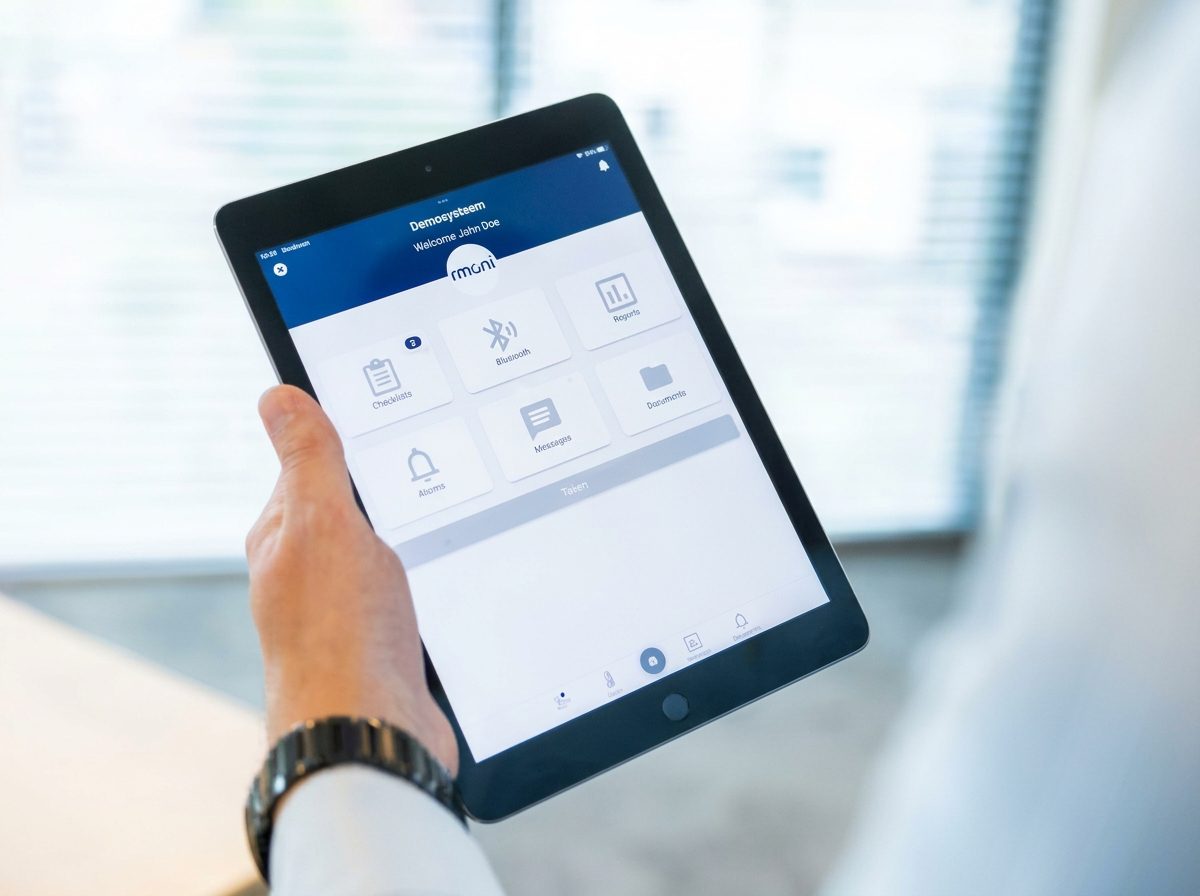

to discuss your requirements and explore our digital monitoring, temperature mapping and calibration services.